



About Our Department
How, when, and where did human life arise, how have environmental conditions and social institutions shaped human society, what is the role of learned versus innate behavior, and how are humans adapting to rapidly changing contexts? These, among many, are the sorts of questions anthropologists ask. Anthropology, the appreciation of and commitment to understanding all aspects of human diversity past and present, is devoted to the proposition that the diversity among humankind is comprehensible and enriching. In today’s global era, Anthropology is increasingly relevant as we seek to explore and explain differences and similarities among the world's cultures. Research, teaching, and service are the foundations of anthropology at Washington University.
The Department of Anthropology respectfully acknowledges that we are on the traditional, ancestral lands of the Osage Nation. The process of knowing and acknowledging the land we stand on is a way of honoring and expressing gratitude for the ancestral Osage people who were on this land before us. For more information about the Osage Nation, click here.
Our Community
Excellence in teaching and attention to undergraduates is a hallmark of the Anthropology Department. The department offers a major and minor in anthropology, as well as optional global health and environment tracks. Our department enjoys a strong sense of community among students and faculty. We provide a diverse array of vibrant, intellectually challenging courses for undergraduates and graduates and hands-on advising. Students find that our program provides one of the most flexible and well-rounded undergraduate majors in the liberal arts, and that it is an unrivaled preparation for professional study (law, business, medicine) and a springboard to careers in wide ranging fields.

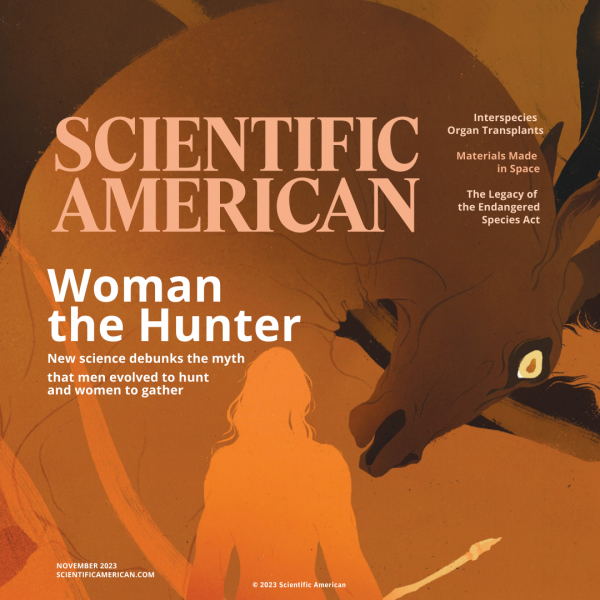
Woman the Hunter: WashU alums collaborate to challenge gender stereotypes of early humans
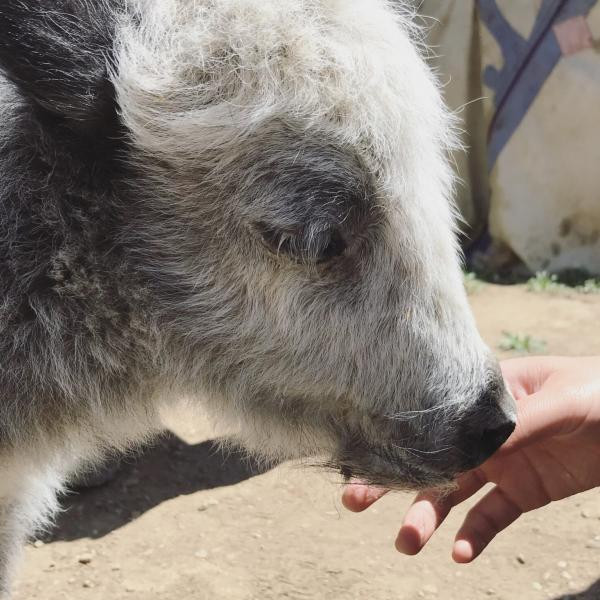
Earliest evidence for domestic yak found using both archaeology, ancient DNA
Our Research
Washington University's Department of Anthropology has a strong reputation for scholarly excellence. Faculty and students conduct research around the world, and we reach across time from the Oligocene to the present. Our research strengths are enhanced by the department’s commitment to training students in the history and foundations of anthropological theory.
Find out more about our research